
Walk through the homes of India's wealthiest today, and you'll notice something striking: the most impressive spaces are often the quietest ones. Not quiet in sound, but in intention. A hand-carved wooden panel that took months to perfect. A single piece of marble selected from thousands. A room designed around a specific moment of the day - when light hits it just right.
This is the new language of luxury home decor trends 2026. And it tells a radically different story than the one told a decade ago. 'The shift is unmistakable. Where marble floors and crystal chandeliers once signaled wealth, today\'s HNIs are asking entirely different questions. They\'re not asking "How expensive is this?" but "What does this mean?" Not "Will others be impressed?" but Does this serve my life?
This evolution in how India's high-net-worth individuals approach their homes reveals something profound about wealth itself. After a certain point, luxury isn't about acquisition. It's about curation. It's about intention, and the luxury home decor trends for HNIs in India are witnessing right now reflect exactly that transformation.
The Death of Conspicuous Consumption
The old playbook is becoming obsolete. Consider what's actually happening in the homes of India's elite:
What's Out
Rooms designed to impress guests, Matching furniture sets from showrooms, Maximalist aesthetics that scream wealth, Generic "luxury" materials chosen for the price tag alone.
What's In
Spaces designed for how you actually live, Bespoke, one-of-a-kind pieces, Intentional minimalism with depth, Materials chosen for story, sustainability, and craftsmanship.
The distinction matters. A lot. When an HNI chooses reclaimed wood over virgin teak, they're not making a budget decision. They're making a values decision. When they commission a custom chandelier instead of buying one from a luxury catalog, they're investing in meaning, not just aesthetics. This is what defines luxury home decor trends 2026 - the marriage of beauty with purpose.
Personalization: The Only Luxury That Matters Now
Here's what separates the homes that feel truly luxurious from those that merely look expensive: personalization. For India's most successful entrepreneurs and business leaders, the idea of a home that could belong to anyone is increasingly unacceptable. Your home should be as unique as your business. As distinctive as your vision.
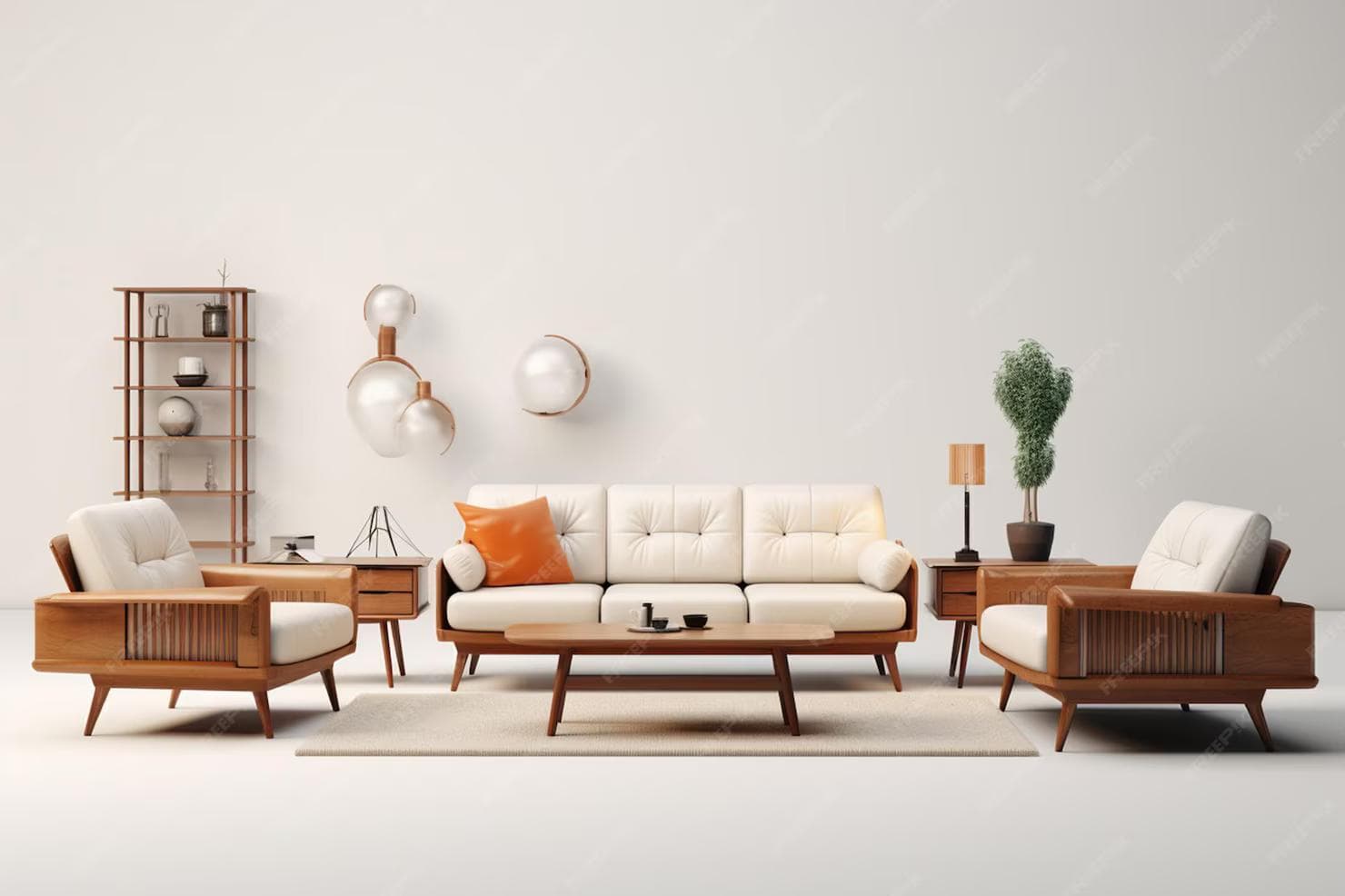
Bespoke Furniture & Custom Pieces
Sofas designed specifically for your body and space. Chandeliers commissioned from artisans with your aesthetic in mind. Shelving systems that accommodate your actual collection, not a standard design.
Personal Narratives Woven Into Spaces
Family heirlooms integrated into contemporary design. Art collections displayed in intimate, lived-in settings. Libraries that tell the story of your intellectual journey. Walls that celebrate your heritage or travels.
Lifestyle-Specific Design
For a wellness entrepreneur: a meditation room that rivals a five-star spa. For a collector: climate-controlled gallery spaces. For a philanthropist: intimate gathering rooms designed for meaningful conversation.
The home décor trends for HNIs India showcase today are deeply personal - because they have to be. The homes being designed now aren't following trends. They're setting them. And that's precisely the point.
Sustainability Isn't a Compromise - It's the New Standard
Five years ago, sustainable luxury felt like an oxymoron. Today, it's simply a luxury. The shift is driven by something deeper than environmental consciousness (though that matters). It's driven by the recognition that the most beautiful things are often the most responsibly made. That permanence and ethics are intertwined. That a material with a story - where it came from, how it was crafted, who made it - is inherently more luxurious than something mass-produced.
The Materials Redefining Luxury in 2026:
Reclaimed wood isn't a compromise - it's a premium choice, valued for character, history, and environmental credentials. Recycled glass becomes stunning countertops that rival virgin materials. Natural stone (marble, granite, travertine, slate) is selected not just for beauty, but for permanence and minimal processing.
Textiles are sourced from ethical suppliers. Fabrics are chosen for how they're produced, not just how they look. Handcrafted elements from traditional artisans aren't nostalgic touches - they're investments in both beauty and cultural preservation.
This is what luxury home decor trends 2026 looks like when sustainability isn't an afterthought. It's woven into every decision, every material, every relationship with a craftsperson or supplier.
Technology That Disappears Into Design
Smart homes have been around for years. But most of them look and feel like technology. The luxury home decor trends 2026 for India's HNIs are different. Technology here is invisible. It serves the space, not the other way around.
What This Looks Like:
Lighting
Adjusts to your circadian rhythm without you thinking about it
Climate control
Maintains perfect temperature without visible vents
Audio systems
Embedded in walls, delivering immersive sound without speakers
Window treatments
Open and close with precision, controlling light and privacy
Touchless faucets
Sensor-activated lighting that combine hygiene with elegance
The key distinction: rather than adapting homes to fit available technology, HNIs are working with specialized designers to create bespoke systems. The technology becomes invisible. It enhances life without announcing itself. This is the opposite of the "look at my smart home" approach. It\'s the "I forgot this was technology" approach.
Wellness Spaces: The New Luxury Essential
After you've built your business empire, what's left? Health. Time. Peace of mind. This shift in priorities is fundamentally reshaping luxury home decor trends. Dedicated wellness spaces are no longer nice-to-haves. They're essential.
What's Emerging in High-End Homes: Home spas with steam rooms, saunas, and hydrotherapy facilities. Meditation and yoga rooms designed with acoustic precision. Home gyms with cutting-edge technology and personalized coaching. Indoor gardens and biophilic design elements. Air purification systems that go beyond standard HVAC. Lighting calibrated to support circadian rhythms.
The homes being designed now recognize something fundamental: luxury is ultimately about quality of life. A space that supports your health, energy, and peace of mind is worth more than a showpiece that impresses guests.
Spaces Designed for Connection
There's a final trend worth noting: the intentional design of gathering spaces. For India's most successful individuals, the home is increasingly a venue for bringing together their circle of influence. Not for showing off, but for genuine connection.
This Looks Like: Dining tables that encourage conversation, not just meals. Living rooms with multiple seating areas for different types of interaction. Specialized spaces: wine cellars for tasting and education, libraries for intellectual discourse, gallery spaces for art appreciation. Acoustics are designed so conversations can flow naturally. Comfort prioritized over formality. These aren't rooms designed to impress. They're designed to connect.
The Luxury Home Decor Trends That Matter Most
So, what do the luxury home decor trends 2026 actually mean for India's HNIs? It means your home should reflect who you are, not who you think you should be. It means investing in materials and craftspeople that align with your values. It means designing spaces that support the life you've actually built, not the life you think you should be living.
The homes that will feel most luxurious in 2026 won\'t be the most expensive ones. They\'ll be the most intentional ones. The ones where every choice - from the material of a countertop to the placement of a light - serves a purpose beyond aesthetics. This is what the evolution of luxury home decor trends for HNIs in India represents: a maturation of wealth consciousness. A shift from "more" to "better." From "impressive" to "meaningful." And that, ultimately, is the most luxurious thing of all.