
Walk into a premium whisky bar in Mumbai or Bangalore today, and you'll notice something that would have been unthinkable a decade ago: Indian single malts holding their own alongside Scottish legends. Not as novelties. Not as curiosities. But as legitimate competitors.
This isn't just a trend. It's a fundamental shift in how the world thinks about whisky - and for HNI collectors, it represents one of the most compelling investment and collecting opportunities of the moment.
India has quietly become the world's largest whisky market by volume, surpassing even France. But here's what matters more: eight of the top twenty best-selling whiskies globally are now Indian brands. The Indian whisky market reached 260.07 million cases in 2024 and is projected to grow at a CAGR of 7.6%, reaching 502.80 million cases by 2034. With 1.5 million USD millionaires expected by 2027, demand for premium and rare whiskies India is producing will only accelerate.
The question is no longer whether Indian whisky is worth collecting. The question is: which rare whiskies India is producing should be on your radar?
The Whisky Revolution Nobody Saw Coming
For generations, whisky meant Scotland. Anywhere else was considered an afterthought. Japan challenged that narrative in the 1980s and 90s. But India? India was dismissed as a mass-market consumer, not a producer.
That dismissal was a mistake.
The truth is, India's whisky-making tradition is older than most people realize. The Kasauli distillery, founded in 1855 in Himachal Pradesh, predates Japan's acclaimed whisky culture by decades. Rampur began production in 1943. Amrut, founded in 1948, was quietly perfecting its craft while the world wasn't paying attention.
Then, in 2010, something changed. Jim Murray's Whisky Bible - the most influential whisky publication in the world - ranked Amrut Fusion as the third-best whisky in the world. Not the third-best Indian whisky. Third-best whisky. Period. That single ranking shattered the narrative forever. It proved that great whisky wasn't the exclusive domain of Scotland. It could come from anywhere. And if it could come from India, then the collectible whiskies India produces deserved serious collector attention.
Why Indian Whisky Is Different - And Why That Matters
Here's what most people don't understand about rare whiskies India is producing: they're not trying to be Scottish. And that's precisely what makes them extraordinary.
The secret lies in geography and climate. While Scottish distilleries spend 10-12 years aging whisky, Indian distilleries benefit from a tropical climate that accelerates maturation dramatically. In the south, whisky matures six times faster than in Scotland. This isn't a shortcut; it's a different approach entirely. This acceleration creates something unique: whiskies that taste far more mature and complex than their age suggests. A three-year-old Indian single malt can have the depth and richness of a 10-year-old Scottish whisky.
This geographic diversity creates a unique range of flavors and styles. Southern India's extreme heat produces bolder, more intense spirits. The Himalayas' cooler climate creates more delicate, nuanced profiles. Goa's unique terroir produces distinctive characteristics. Kashmir is emerging as an experimental region pushing boundaries. For collectors, this means the portfolio of rare whiskies India offers is far more diverse than most realize.
The Indian Single Malts Worth Collecting
The collectible whiskies India has produced over the past two decades represent a unique investment opportunity. Understanding which distilleries matter - and why - is essential for serious collectors.
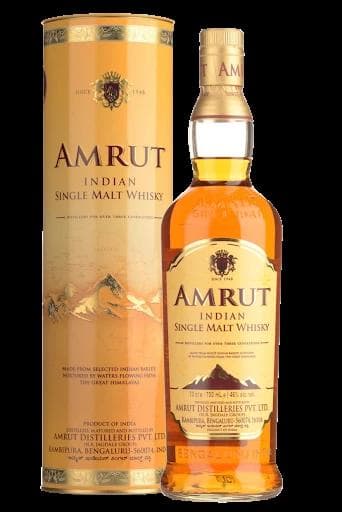
Amrut stands as the pioneer that changed everything. Made history in 2004 when it launched its single malt in Glasgow - a bold move given Scotland's whisky dominance. But the turning point came in 2010 when Jim Murray's Whisky Bible ranked Amrut Fusion as the third-best whisky in the world. Since then, the distillery has released multiple award-winning expressions including Amrut Single Malt, Amrut Cask Strength, and various limited editions. For collectors, Amrut represents both historical significance and ongoing innovation. Each release tells a story of a family business that refused to accept the narrative that great whisky could only come from Scotland.
Indri Single Malt, emerging from the foothills of the Himalayas, exemplifies what collectors call "New World whisky." Award-winning and rapidly gaining international recognition, Indri has taken the world by storm with its incredibly complex flavor profiles. The tropical aging climate accelerates maturation, creating a spirit that tastes far beyond its years - rich, fruity, and incredibly bold. For the new-age drinker and serious collector, Indri represents the exciting potential of Indian whisky. Drinking Indri feels like being in on a secret that the rest of the world is just waking up to. It\'s a statement that great whisky has no geographical monopoly.

Indri Single Malt
Rampur Single Malt represents the quiet achiever. Established in 1943, Rampur has been perfecting its craft for decades before gaining international recognition. Now competing directly with premium Scottish brands, Rampur's rising prominence in international markets reflects the quality that collectors are beginning to appreciate. The distillery's complex flavor profiles showcase what Indian terroir can produce when given time and attention.
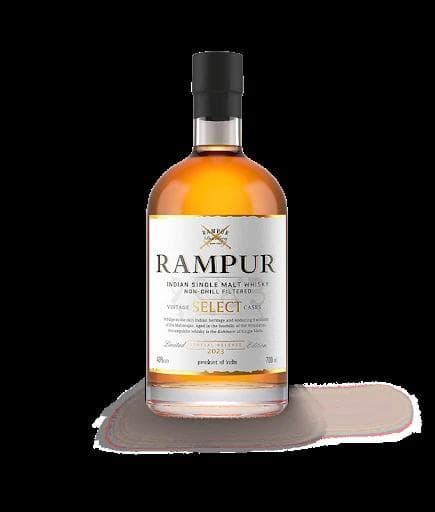
Rampur Single Malt
Paul John from Goa represents the innovative approach. As an emerging premium Indian single malt producer, Paul John has been gaining traction among serious collectors. The distillery's willingness to experiment with cask finishes and unique expressions positions India as a serious producer willing to push boundaries. Key expressions like Paul John Brilliance and Paul John Edited demonstrate a commitment to quality and innovation that appeals to collectors seeking something different.

Paul John Single Malt
Woodsmen Mountain Whiskey represents the new generation of Indian whisky producers. Recently crossing ₹100 crore in gross ARR with 1.1 million bottles sold in Q3 alone across Delhi and Chandigarh, Woodsmen demonstrates the explosive growth potential of premium Indian whisky brands. This level of growth showcases the increasing demand for premium Indian whisky that competes with well-established global brands. For collectors, Woodsmen represents the foundation for future collectibility - a producer building reputation and quality right now, before mainstream recognition.

Woodsmen Mountain Whiskey
Beyond these premium single malts, the mass-market leaders have shaped India's whisky dominance. McDowell's No.1, Royal Stag, Officer's Choice, Imperial Blue, Blenders Pride, and Royal Challenge consistently outsell international brands like Jim Beam, Jack Daniel's, and even The Macallan. Understanding this context matters for collectors because it demonstrates the depth of India's whisky expertise and the sophistication of its production capabilities.
The Collector's Opportunity: Rare Whiskies India
For HNI collectors, the timing is critical. The rare whiskies India is producing right now are at an inflection point. They're no longer unknown - global recognition is increasing. They're not yet mainstream - pricing remains favorable. They're genuinely excellent - quality proven internationally. This creates opportunity.
The investment case is compelling. India's broader luxury ecosystem, which includes fine spirits and collectible whisky, is projected to surpass USD 85 billion by 2030. With the HNI population expanding rapidly and 1.5 million USD millionaires expected by 2027, demand for premium and rare whiskies will only increase. Early-stage collectible whiskies India produces - particularly limited releases and single cask bottlings from Amrut, Indri, Rampur, and Paul John - are positioned to appreciate significantly. Not because they're Indian, but because they're genuinely excellent and increasingly recognized as such.
Building Your Collection: What Sets the Best Apart
If you're serious about whisky collecting in India, certain principles separate the bottles worth acquiring from the rest.
Provenance and story matter profoundly. The best collectors aren't just buying whisky; they're buying narrative. Amrut's story - a family business that challenged Scottish dominance and won - is compelling. Indri's emergence from the Himalayas with award-winning complexity is compelling. Rampur's decades of perfection before global recognition is compelling. Paul John's innovative approach to Goan whisky production is compelling. These stories add depth to ownership and increase long-term appeal.
Single cask and limited releases command serious collector attention. Just as with Scottish single malts, Indian distilleries are experimenting with limited releases and single cask bottlings. These are where the real collector value lies. Keep an eye on special releases from Amrut - annual releases often sell out quickly. Watch Indri's limited edition expressions before they disappear. Track Paul John's cask-finished experiments. Monitor Rampur's collector-focused bottlings. Woodsmen's premium releases are worth acquiring early.
Understanding the climate advantage is essential for proper evaluation. The tropical maturation that makes Indian whisky unique is also what makes it difficult to evaluate. A five-year-old Indri isn't comparable to a five-year-old Glenmorangie. It's richer in flavor intensity, bolder in character, more complex in profile. Collectors need to appreciate this difference rather than judge it by Scottish standards.
Diversification across geography matters. Indian whisky production spans the entire country, creating different flavor profiles. Southern distilleries, with their faster maturation, produce bolder, more intense spirits. Himalayan distilleries, with cooler climates, create more delicate, nuanced profiles. Goan distilleries produce a distinctive character. A collector's portfolio should reflect this geographic diversity.
Track distillery innovation relentlessly. The most exciting rare whiskies India will produce in the coming years will come from distilleries willing to experiment. Watch for cask finish experiments - sherry, port, wine casks. Monitor special releases and limited editions. Follow collaborations with international distillers. Pay attention to innovative production techniques. These are the bottles that will define the next chapter of Indian whisky collecting.
Beyond India: The Global Context for Collectors
While building your Indian whisky collection, it's worth understanding the global landscape. The collector's market is shifting fundamentally. The old hierarchy - older is better, Scottish is best - is being challenged by new producers globally.
The GlenAllachie in Speyside recently won "World\'s Best Single Malt" for its 12-Year-Old at the World Whiskies Awards 2025, proving that even traditional regions are evolving. Kavalan from Taiwan has already demonstrated that tropical climates produce exceptional whisky. Bruichladdich from Islay is redefining what transparency and sustainability mean in whisky production. Talisker from the Isle of Skye is experimenting with special releases that challenge traditional approaches.
These global trends matter because they validate what Indian distilleries are doing. The world is moving toward flavor over age, authenticity over pedigree, transparency over mystique, and innovation over tradition. India's producers are positioned perfectly for this shift. They're producing flavor-forward spirits from non-traditional regions with compelling stories and a genuine commitment to quality.
The Strategy: How to Build Your Collection
Building a serious collection of rare whiskies India produces requires a thoughtful approach. Start with established names gaining global recognition: multiple Amrut expressions, Indri limited releases before they sell out, Rampur single malts as the distillery builds reputation, and Paul John special editions as collectibility emerges.
Then track and acquire limited editions and single cask bottlings on an ongoing basis. Annual special releases from major distilleries often sell out quickly. Single cask bottlings are particularly valuable because each is unique. Collaborative releases between Indian and international distillers are worth monitoring. Geographic variants showing different terroir expressions deserve attention.
Selectively monitor emerging producers. Woodsmen Mountain Whiskey's growth trajectory suggests future collectibility. Smaller craft producers experimenting with new techniques are worth watching. Regional distilleries pushing boundaries deserve attention as they establish themselves.
Maintain balance in your overall portfolio. Allocate 60-70% toward Indian whiskies - your core collecting focus. Reserve 30-40% for global premium whiskies - established Scottish malts for stability, international reference points for context, and emerging global producers for opportunity. This balance provides both focus and perspective.
The Investment Case for Rare Whiskies India
Let's be direct: the whisky collecting India HNIs are pursuing isn't just about enjoying exceptional spirits. It's also about building an asset class. The numbers support this. Early-stage collectible whiskies India produces are positioned to appreciate significantly. Global recognition is increasing while prices remain reasonable relative to quality. Limited bottle availability will create a scarcity premium. HNI demand for premium collectibles is growing. Whisky as an alternative investment is gaining mainstream acceptance.
The timing is critical. Amrut is already gaining collector premium, but Indri remains undervalued relative to its quality. Rampur is emerging as a serious collector option. Paul John is building a reputation. Woodsmen is demonstrating explosive growth potential. These windows of opportunity don't remain open indefinitely.
The Future of Whisky Collecting in India
The rise of rare whiskies India produces represents a fundamental shift in how the world thinks about whisky. It's no longer about geographic monopolies. It's about quality, innovation, and authenticity. For collectors, this is extraordinary. It means the best bottles aren't necessarily the oldest or the most famous. They're the ones with the best stories, the most interesting flavor profiles, and the most compelling vision for the future.
India's whisky producers are writing that future right now. And for HNI collectors willing to look beyond traditional centers of whisky production, the opportunity is extraordinary.
The question isn't whether rare whiskies India produces are worth collecting. The question is: which bottles will you wish you'd acquired when you had the chance?