
When we talk about 'Swiss standards' in longevity, we're really talking about places like Clinique La Prairie and Lanserhof – clinics where longevity is treated as a medical discipline, not a spa theme.
These centres combine advanced diagnostics (genetic and epigenetic testing, biological age analysis), sleep medicine, movement labs, hormone mapping and physician-led protocols that sit much closer to a hospital than a holiday. Clinique La Prairie, for instance, has built its longevity model over decades, integrating genetic and epigenetic testing, stem-cell–based regenerative therapies and structured medical programs that run on a defined 'longevity method.' Lanserhof's model is similarly rooted in internal medicine, sleep medicine and biorhythm science, paired with personalised fasting and movement programmes.
So where is India on this curve?
India's starting point is very different: Ayurveda, yoga, meditation and spiritual health are our foundation. For years, 'wellness retreats' here meant panchakarma, yoga, satsang and spa menus. But in the last decade, a handful of destinations have started building something deeper: integrating diagnostics, physicians, functional medicine, sleep and movement science into serious, long-term health pathways.
Are we at Swiss standards? Not yet. Are we on the path? In a few places - yes, meaningfully.
Below are four Indian case studies that are doing real work towards an intelligent longevity ecosystem, not just adding the word 'longevity' to their brochures.
1. Ananda in the Himalayas – From Destination Spa to Integrative Health Campus
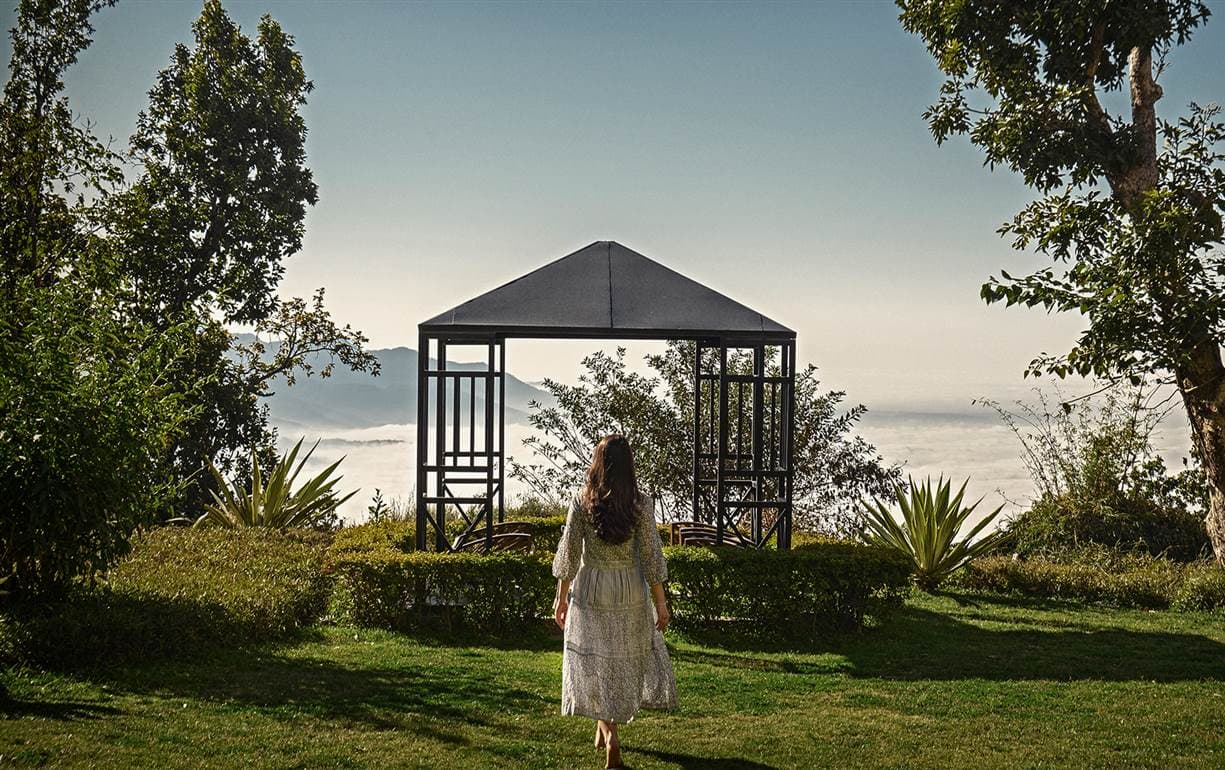
Photo: Courtesy of Ananda in the Himalayas
Ananda has more than two decades of history as one of the world's leading Ayurveda- and yoga-based retreats. It integrates traditional Ayurveda, yoga, meditation, emotional healing and organic cuisine into a coherent therapeutic system, attracting global wellness seekers year after year.
Its Sleep Enhancement Programme is a good example of how Indian retreats are moving closer to structured, evidence-aligned pathways. The program combines lifestyle corrections, dietary changes, Ayurveda treatments, and Traditional Chinese Medicine with yoga and meditation to improve sleep quality and restore metabolic and emotional balance.
What's evolving now is Ananda's emphasis on tackling root causes of insomnia and stress-related disorders through multi-modal protocols instead of 'better sleep' massages. It's not yet a full sleep-medicine lab, but it's a serious, physician-guided approach rather than a spa add-on.
2. Six Senses Vana – Biomarkers, Biohacking and Tibetan Medicine in the Foothills
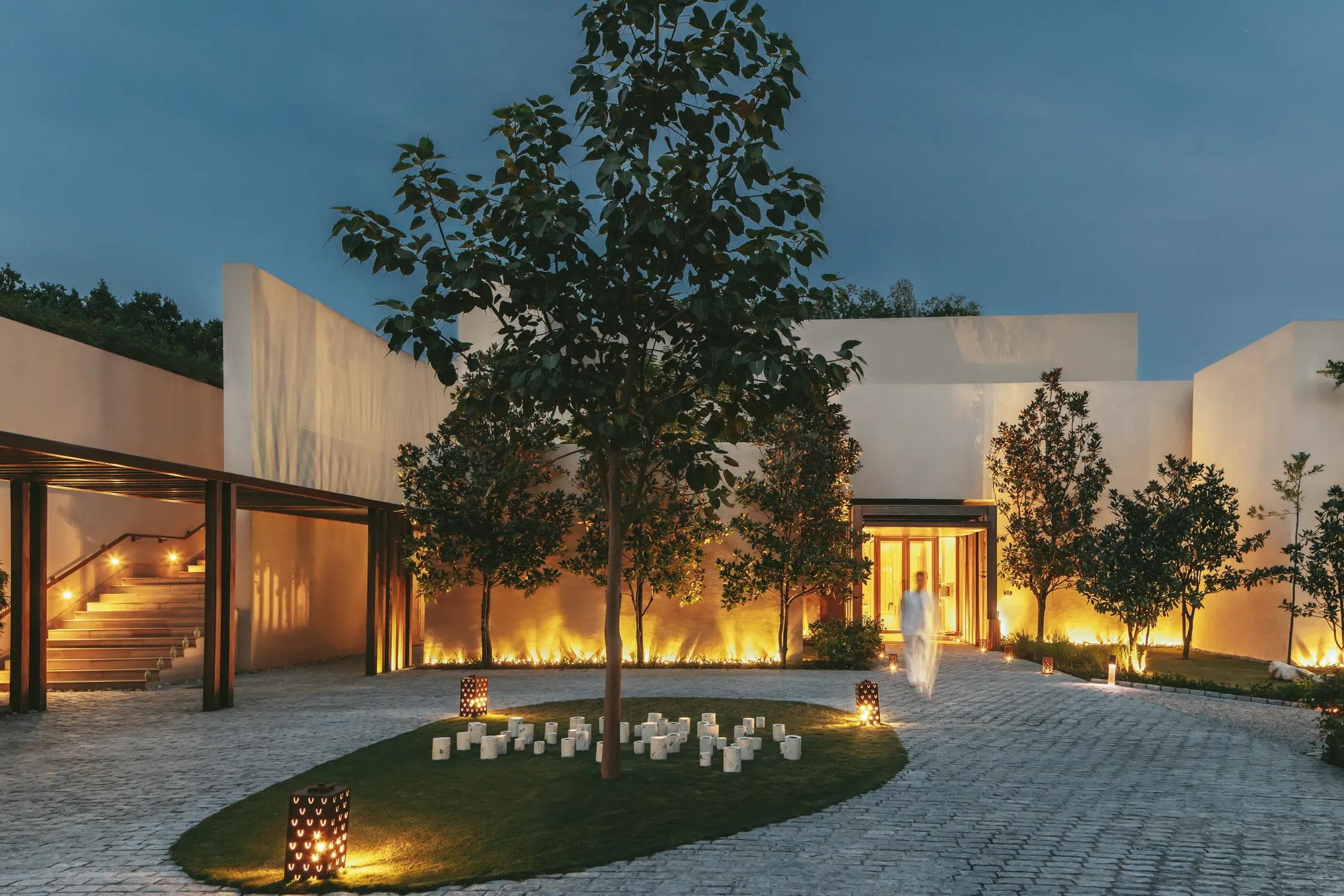
Photo: Courtesy of Six Senses Vana
Originally opened as Vana in 2014 and now part of the Six Senses portfolio, Six Senses Vana in Dehradun is possibly India's closest philosophical cousin to the newer European longevity resorts.
The retreat blends Ayurveda, Traditional Chinese Medicine, Tibetan Sowa Rigpa, naturopathy and yoga with advanced diagnostics and biohacking tools. External reviews highlight how guests undergo screening of around 30 biomarkers, have access to sleep-tracking rings, and can experience compression-boot therapies to improve circulation and recovery.
This is important: Vana is not just layering 'ancient + gadgets' for marketing. It's using data to personalise protocols around movement, sleep, nervous system regulation and metabolic health, while remaining deeply rooted in traditional systems.
In many ways, Vana demonstrates a uniquely Indian answer to the Swiss model: instead of copying Western medical aesthetics, it uses Indian and Himalayan healing systems plus global diagnostics to create a serious (and expensive) health retreat experience.
3. Dharana at Shillim – Where Ayurgenomics Meets Preventive Medicine
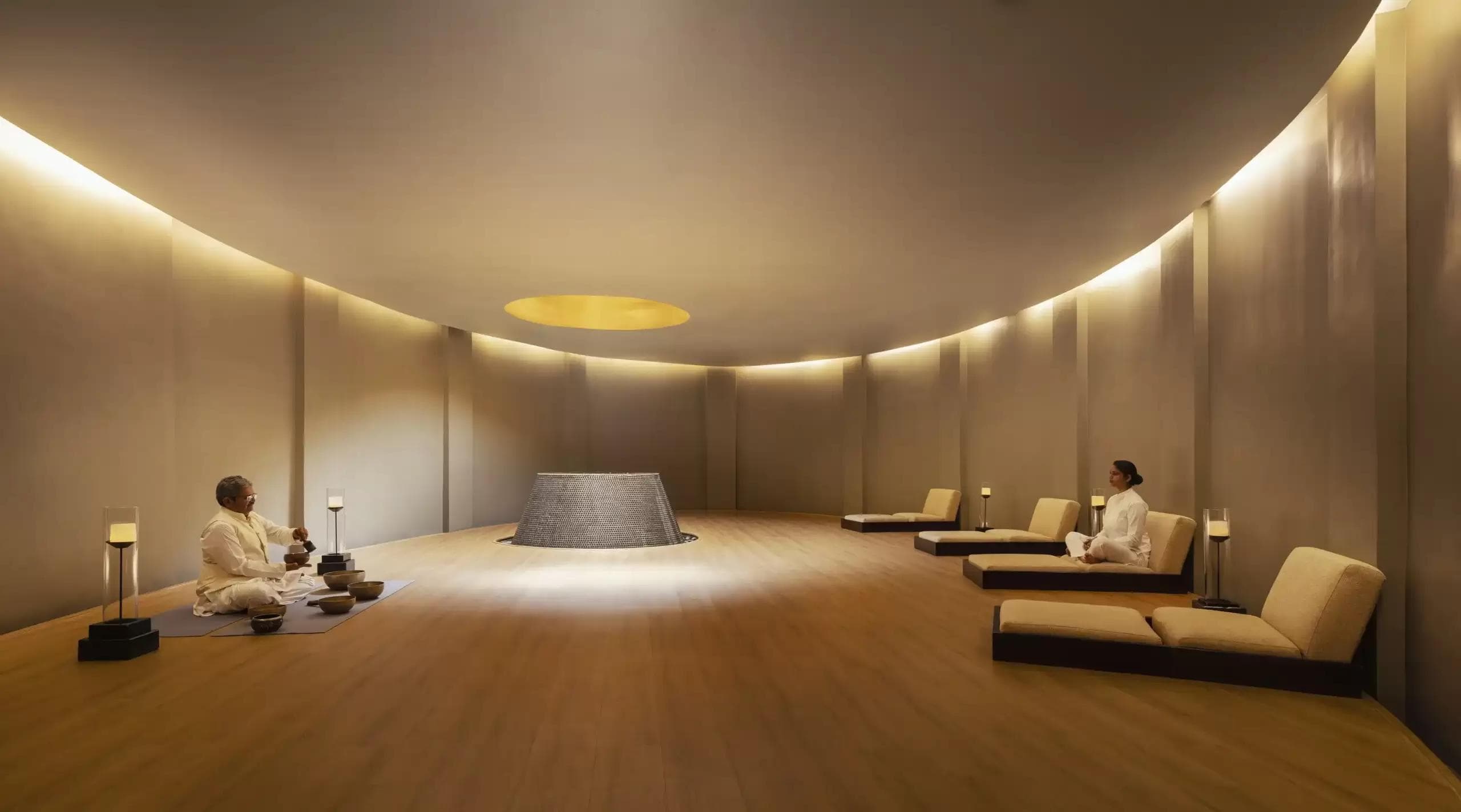
Photo: Courtesy of Dharana
At Dharana at Shillim near Lonavala, the language is explicitly preventive medicine, physical restoration, emotional balance and spiritual harmony.
What sets it apart from typical retreats is its work with Ayurgenomics – combining DNA analysis with Ayurvedic body-type understanding to create personalised treatment protocols. This sits closer to the Swiss style of precision medicine: understanding how your unique genetic and metabolic profile interacts with lifestyle in order to design targeted interventions.
Dharana structures its offering into clear wellbeing pathways (detox, stress management, weight management, healthy ageing, etc.) and emphasises long-term behavioural change rather than just a one-off cleanse.
It's still early days in terms of published research, but philosophically this is a strong step: data + diagnostics + traditional wisdom, pointed explicitly at long-term vitality.
4. Atmantan Wellness Centre – Integrated Functional Medicine, Not Just Detox

Photo: Courtesy of Atmantan
Atmantan, near Mulshi Lake in Maharashtra, presents itself as an integrated wellness centre rather than a resort and its leadership reflects that. The medical director, Dr Manoj Kutteri, brings over two decades of experience in global wellness and oversees a team spanning Ayurveda, naturopathy, nutrition, physiotherapy, fitness and yoga.
Their programs increasingly use functional medicine thinking: disease-healing and 'wellness hacks to unlock longevity' that integrate functional medicine, nutritional therapy, naturopathy and supplementation to address lifestyle diseases from the inside out.
This positions Atmantan less as a spa and more as a lifestyle-medicine and metabolic-health centre. It's still softer than the Swiss clinics' hospital-grade setups, but the direction - medical leadership, diagnostics and structured programmes for metabolic health, ageing and recovery is clearly towards credible longevity.
So, Are We at 'Swiss Standards' Yet?
If we define Swiss standards as:
• Fully medicalised clinics with internal medicine, cardiology, neurology, endocrinology and sleep medicine under one roof
• Deep integration of genetics, epigenetics, advanced imaging and lab diagnostics into every program
• Longitudinal data and research programmes backing every protocol
• Highly regulated environments and hospital-grade infrastructures
...then India is not there yet and that's okay. Our centres were never designed as hospitals in disguise.
But if we define 'on the path' as:
• Moving from spa menus to physician-led, protocol-driven programmes
• Using biomarkers, wearables, DNA analysis and functional medicine to personalise care
• Building integrated pathways for sleep, movement, stress, metabolic health and emotional resilience, not just beauty and detox
• Anchoring everything in India's deep heritage of Ayurveda, yoga and contemplative science
...then yes, there is a clear early vanguard.
Ananda, Six Senses Vana, Dharana at Shillim and Atmantan are all, in different ways, building credibility before pure commercialisation.
They may not be Clinique La Prairie or Lanserhof yet but they're arguably building something even more interesting: a uniquely Indian longevity language where evidence-based medicine and ancient wisdom can co-exist.
The Bridge Forward
For India's wellness and hospitality sector, the real opportunity now is:
• More formal clinical partnerships (hospitals, neuroscientists, sleep labs, universities)
• Long-term data collection and published research on outcomes
• Transparent communication of what is truly medical vs what is experiential
That's the bridge between 'wellness' as a feeling and 'longevity' as a measurable, credible discipline.